Table Of Content
- Baby's face is covered by another body part.
- Making the Most of Your 3D Ultrasound Experience
- Baby Born With Lots of Hair on Body
- Moms Share Home Remedies for Pregnancy Morning Sickness
- 🤔 Does the clarity of a 3D ultrasound affect how well you can see your baby’s hair?
- You’re Pregnant! How These Moms Reacted
- Can You Tell If a Baby Has Hair on Ultrasound?
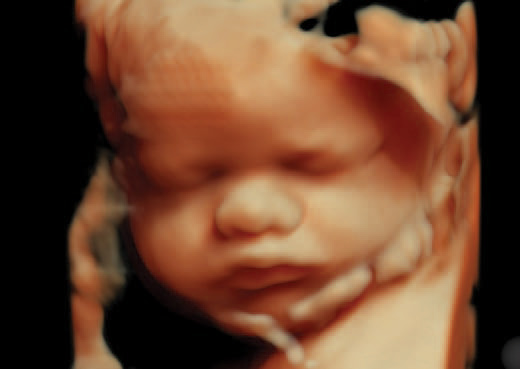
Baby hair growth isn’t all genetics and good luck; the mother’s diet jumps into the ring, throwing some heavy punches. Let’s dive into the smorgasbord of scientific dishes and find out how what mom eats shapes the baby’s luscious locks. So, when you’re cooing over that ultrasound image and see a glimpse of hair, just remember, it’s all part of the wild and wonderful world of pregnancy.
Baby's face is covered by another body part.
It’s also important to note that the quality of the ultrasound machine and the skill of the technician can affect the visibility of hair on a 3D ultrasound. This technology provides a more detailed view of the baby’s features, including facial features, fingers, and toes. They produce a more realistic image of a baby but do not capture hair strands, and it is in this regard, technically, advancement in this ultrasound did not mean the 2D ultrasound is lesser. Some parents mistake lack of hair in ultrasound images and the first few months of a child’s birth as baldness. It uses sound waves with pictures taken at different angles to create a 3D view.
Making the Most of Your 3D Ultrasound Experience
In summary, 3D ultrasound images can provide detailed pictures of the fetus, but their quality can depend on several factors. It’s important to have a skilled sonographer and to understand the limitations of keepsake images. Healthcare providers will review the images for any potential issues or abnormalities. An exciting discovery for proud parents-to-be is the appearance of baby hair on their 2D ultrasound scan.
A STAR before it's born - Sarasota Herald-Tribune
A STAR before it's born.
Posted: Thu, 27 Apr 2006 07:00:00 GMT [source]
Baby Born With Lots of Hair on Body
The AIUM recommends that 2D ultrasounds should still be the standard for routine prenatal care. Overall, the ultrasound procedure is a valuable tool for monitoring the health and development of the fetus during pregnancy. It is a safe and effective procedure that can provide important information to health care providers and patients alike.
Moms Share Home Remedies for Pregnancy Morning Sickness
However, they may show contours on the head that are an indication of hair. 3D ultrasounds can give you a clearer image of your baby’s features than 2D ultrasounds can. From an expecting parent's perspective, 3D ultrasounds provide a much better look at your baby's face, which is what makes this technology especially exciting for the parents-to-be. Medical professionals may prefer conducting 3D ultrasounds between approximately 24 and 34 weeks, during which the baby will be developed enough to be viewed properly. There’s also less risk that fluid or positioning in the pelvis will block results. The phenomenon is relatively rare but not unheard of; experts say the excess hair was likely caused when the fetus produced too much testosterone or by genetics.
🤔 Does the clarity of a 3D ultrasound affect how well you can see your baby’s hair?
The procedure uses the same technology as a traditional 2D ultrasound, but with the addition of specialized software that creates a 3D image. However, it’s important to follow your doctor’s recommendations and only get ultrasounds that are medically necessary. On the other hand, keepsake ultrasounds are not considered a medical necessity. These ultrasounds are performed at portrait studios and are primarily intended to provide parents with a 3D/4D image of their fetus. The ultrasound probe, also known as a transducer, is then moved back and forth over the skin to capture images of the fetus.
Even if you could, their hair color will likely change in the first few months of life. While you might see lots of hair on ultrasound, predicting the color is like guessing the flavor of a wrapped candy. So, keep guessing and dreaming, but don’t bet the baby booties on any color just yet. Let me tell you a tale that might feel like déjà vu for some and an eye-opener for others. Yep, as a mom of five, I’ve witnessed everything from bald beauties to hairy little cherubs. And trust me, seeing lots of hair on an ultrasound brings a special kind of excitement.
You’re Pregnant! How These Moms Reacted
The unknowns of pregnancy are part of the intricate dance of anticipation and excitement. Not being able to see your baby’s hair before birth is one of those tender mysteries that nature preserves until the very last moment. While technology has come a long way, it’s this very element of surprise that adds to the profound joy of meeting your baby for the first time. A 3D ultrasound creates a three-dimensional image of your baby, offering a clearer picture of the little one’s shape and contours. It’s a step up from the flat images of 2D ultrasounds, but when it comes to hair, it’s not about the dimension. One of the most common questions asked by expectant mothers is whether or not they will be able to see their baby’s hair on a 3D ultrasound.
Can You Tell If a Baby Has Hair on Ultrasound?

Naturally, the demand for 3D and 4D ultrasounds has skyrocketed as more parents want to experience this intimate look at their babies during pregnancy. While this technology is becoming more widely available in doctors' offices, don't worry if you're not offered one. The traditional 2D ultrasound is still effective at screening for potential problems and ensuring everything is fine. Since most health insurance plans, including Medicare, don't cover 3D or 4D ultrasounds, you'll likely have to pay for the procedure yourself. Out-of-pocket costs can vary based on your location and provider, so check with your provider for more information. Insurance will never pay for ultrasounds given at shopping malls or other non-medical settings (and experts recommend you avoid these non-medical ultrasound services anyway).
Let’s break down the 2D, 3D, and 4D ultrasounds and get to the hairy details. It’s also important to note that some facilities offer keepsake images or videos of the ultrasound, which may not be as detailed as medical-grade images. These keepsake images are often used for entertainment purposes and may not provide the same level of diagnostic information as medical images. Overall, the decision to get a 3D ultrasound is a personal one and should be discussed with a healthcare provider. It is important to choose a reputable facility that uses safe and reliable equipment, and to follow any instructions or precautions provided by the healthcare provider. 3D ultrasounds are often used to diagnose fetal abnormalities and to monitor fetal growth and development.
In some cases, they may be used to confirm a suspected abnormality or birth defect, but they are not routinely performed unless there is a medical reason to do so. Additionally, the due date or estimated due date of the baby may also be a factor in when to get a 3D ultrasound. If the due date is uncertain or if there are concerns about the baby’s growth or development, a 3D ultrasound may be recommended at an earlier or later stage of pregnancy. Whether your baby is born with a thick head of hair or none at all, you can rest assured knowing it will grow in eventually. While the exact reason behind this isn’t known, it’s another example of how genetics influence the amount of hair a baby is born with. Experts aren’t entirely sure why only some babies are born with a full head of hair, but genetics and hormones are thought to play a significant role.
In some cases, it may be possible to see more detail, including hair, on a higher quality machine or with a more experienced technician. Moreover, the amount of body fat can also affect the quality of the images obtained during the ultrasound. In general, the more body fat a person has, the less clear the images will be. However, it is important to remember that 4D ultrasound is not a replacement for regular prenatal care and should always be used in conjunction with other diagnostic tools.