Table Of Content
- Hair Growth During Pregnancy
- Can You See Hair on 3D Ultrasound? Exploring the Limitations of Prenatal Imaging Technology
- Does baby really look like the 3D ultrasound?
- When does your baby start to grow any sort of visible hair?
- 🤰 Does the mother’s diet have any impact on the visibility of baby’s hair on ultrasound?
- When Do Babies Start Growing Hair?

Sometimes, the baby may be facing away from the transducer or have their hands in front of their face, making it challenging to get a clear image. In such cases, the technician may ask you to change positions, walk around, or even grab a sugary snack to encourage your baby to move. While a 3D ultrasound can provide a unique bonding experience for parents and a clear image of the baby, it’s important to consider the potential risks and follow your doctor’s recommendations. It’s also important to note that 3D ultrasounds are typically not covered by insurance and can be expensive. While it can provide a clear image of the baby’s face, it’s not possible to determine the baby’s eye color, hair color, or other features. It is important to note that while 3D ultrasounds can provide detailed images of the fetus, they are not intended to replace standard 2D ultrasounds.
Dangers of CT Scans and X-Rays - Consumer Reports
Dangers of CT Scans and X-Rays.
Posted: Tue, 27 Jan 2015 08:00:00 GMT [source]
Hair Growth During Pregnancy
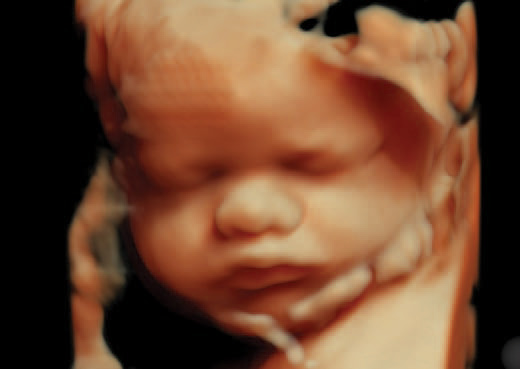
A 3D ultrasound is a type of medical imaging that uses sound waves to create three-dimensional images of the fetus in the womb. It is a safe and non-invasive way to get a more detailed look at the baby’s development. Ultrasounds use sound waves to create images of the body, and since the hair follicles are made up of dense tissue, they can be seen on an ultrasound. Hair can appear as either a bright white or dark black line depending on the type of hair and its thickness. However, in some cases, it may be difficult to differentiate between a hair and other structures in the body due to their similar densities.
Can You See Hair on 3D Ultrasound? Exploring the Limitations of Prenatal Imaging Technology
Another important factor to consider when interpreting ultrasound images is the presence of shadows. Shadows can be caused by the reflection of sound waves off of solid objects, such as bones or organs. The amount of hair growth is determined by various factors, including genetics and the stage of fetal development.
Does baby really look like the 3D ultrasound?

It is often difficult to tell if a baby has hair on ultrasound while they are still in the womb. Ultrasound technicians use a variety of techniques to determine the presence of hair in an unborn baby. Despite advancements in technology, it is not always possible to see whether or not an unborn child has hair on ultrasound. During the examination, the technician will move the transducer around your belly, capturing images from various angles to get the best view of your baby. You’ll likely see your baby’s face, limbs, and other physical features in astonishing detail. Keep in mind that the quality of the images depends on factors such as the baby’s position, the amount of amniotic fluid, and the mother’s body composition.
When does your baby start to grow any sort of visible hair?
3D ultrasound is a medical imaging technique that generates three-dimensional images of the fetus in the womb. Unlike traditional 2D ultrasound, which produces flat, two-dimensional images, 3D ultrasound uses sound waves to create a three-dimensional image of the fetus in the womb. Before discussing whether hair is visible on a 3D ultrasound, it’s important to understand how this technology works. Unlike traditional 2D ultrasounds, which provide a flat image of the baby, 3D ultrasounds use sound waves to create a three-dimensional image of the baby. 3D ultrasound images provide a more detailed picture of the fetus than traditional 2D ultrasounds.
Plus, the images can help doctors spot a problem with your baby and make it easier for them to explain it to you. There are a few potential reasons why some babies may be born without hair. If either parent has a history of baldness or thinning hair, the baby may be more likely to be born without much hair. However, ultrasounds can still be useful in determining whether or not a baby has any visible hair during the scan.
Pregnancy Brain Moments? Let's Have a Laugh!
The best time to schedule a 3D ultrasound is between 24 and 32 weeks of pregnancy. During this time, the baby has developed enough fat and has grown enough to provide clear images. However, it’s important to note that the timing may vary depending on the individual case and the purpose of the ultrasound.

🎁 Can hair be seen on 3D ultrasound images given as keepsakes?
The ultrasound technician will use a transducer to send sound waves into the uterus that create an image of the baby on a monitor. These can be used to monitor fetal growth or check for any abnormalities that may have arisen since the first ultrasound. A second ultrasound usually happens between weeks, but it can vary depending on individual circumstances and doctor’s orders. Overall, the purpose of 3D ultrasounds is to provide healthcare providers with a more detailed view of the developing fetus and to help diagnose and treat any potential issues. While they can be an exciting experience for expectant parents, it’s important to remember that they are a medical procedure and should be used only when necessary.
When Do Babies Start Growing Hair?
Overall, it’s important for expecting parents to have realistic expectations when it comes to what they will be able to see on a 3D ultrasound. While these images can provide a more detailed look at an unborn baby, there are limitations to what can be seen. Ultrasounds are widely used in medical imaging to produce images of internal organs, tissues, and structures. However, the accuracy of ultrasound imaging can be affected by various factors, including the amount of body fat present in the patient. The ultrasound machine sends high-frequency sound waves into the body, which bounce back off the fetus and surrounding tissues to create an image. The sound waves are then converted into a three-dimensional image by a computer, which can be viewed on a monitor.
Newborns with lighter skin often have less hair at birth than newborns with darker complexions. Occasionally, usually with pre-term births, the baby will be born with lanugo still covering parts of their body. While ultrasounds might hint at whether or not your baby will be born with hair, you won’t know for sure until the delivery.
Ultrasound can detect the presence of a cyst and determine its size and location. Malignant tumors are cancerous and can spread to other parts of the body. Ultrasound can detect the presence of a tumor and determine its size and location. The amount of hair a baby has at birth is not an indication of how much hair they will have later in life. We respect everyone’s right to express their thoughts and opinions as long as they remain respectful of other community members, and meet What to Expect’s Terms of Use.



No comments:
Post a Comment